
Today, we are witnessing how global media giants are gradually giving way to more specialized projects. My daily information diet has long ceased to consist of endless feeds of general news, turning into a set of highly specialized sources. This is happening because, in an era of information noise, depth of expertise is valued much higher than covering all topics at once. We are looking not just for facts, but for a context that is understandable only within a specific community. Niche media provide this sense of belonging by offering content created by experts for the same passionate people.
Moving from Mass Market to Quality
Mass media often suffer from superficiality, trying to please all categories of readers at once. In the pursuit of wide reach, they are forced to simplify complex topics, which inevitably leads to the loss of important details and context. I find much more benefit in resources that focus on one specific area, be it esports, microbiology, or narrow technology segments. Such an approach allows authors not just to retell events, but to conduct a deep deconstruction of processes, understandable to a prepared reader.
Specialized portals create a unique ecosystem where expertise prevails over the thirst for clicks. For example, when I need to understand the details of tournament brackets or transfers in competitive disciplines, I choose egw.news and similar specialized platforms, as they provide deep analytics unavailable to general news portals. This allows one to see not only the final score of the match but also to understand strategic changes in team rosters or the impact of metagame updates on the professional scene.
Ultimately, using niche sources saves the most valuable resource – time. Instead of looking through dozens of general notes and independently filtering “filler” in search of truly important bits of information, I get a concentrated product. Focusing on quality instead of quantity helps to avoid information overload and forms a clearer picture of what is happening in the industry of interest.
New Standards of Content Consumption
The second reason for the popularity of niche media lies in personalization, which has long evolved from a pleasant addition into a basic necessity. Modern users no longer want to waste time on content that only indirectly relates to their interests. It is important for us to receive information in a convenient format and, more critically, from those we trust at a level of deep expertise. In conditions where general platforms try to cover all topics at once, it is the niche projects that create a sense of direct dialogue with an audience that understands specific slang and the industry’s inner workings.
This approach is especially noticeable in the interactive entertainment segment, where standard reviews in major newspapers often look amateurish and rarely consider the nuances of mechanics or the specifics of game engines. Reading the latest gaming news on specialized websites, I get not just an announcement of another release, but an analysis of how, for example, the release of Grand Theft Auto VI will affect the economy of open worlds in the industry or what technical innovations the new project from the creators of Elden Ring will bring. For a passionate person, such information is of much greater value than a dry statement of a release date or the cost of a game in a store.
This is not just news consumption, but a full immersion into an environment where every detail matters. When an expert analyzes how object destructibility in something like The Finals changes combat tactics, it provides food for thought and practical benefit for the player. Niche media are turning into a kind of intellectual club where content is created considering the reader’s background. As a result, a completely different standard of quality is formed, where the depth of material elaboration becomes the main criterion for choosing an information source.
Community as a Filter for Truth
Niche publications form loyal communities around themselves that act as a kind of living quality filter. Unlike major media holdings, where feedback often gets lost in the comments, specialized platforms rely on close interaction with the audience. If the author of such media makes a factual error or inaccuracy, the expert community will point it out in an instant. This creates a unique self-regulating environment that forces content creators to constantly maintain a high bar and verify every thesis before publication.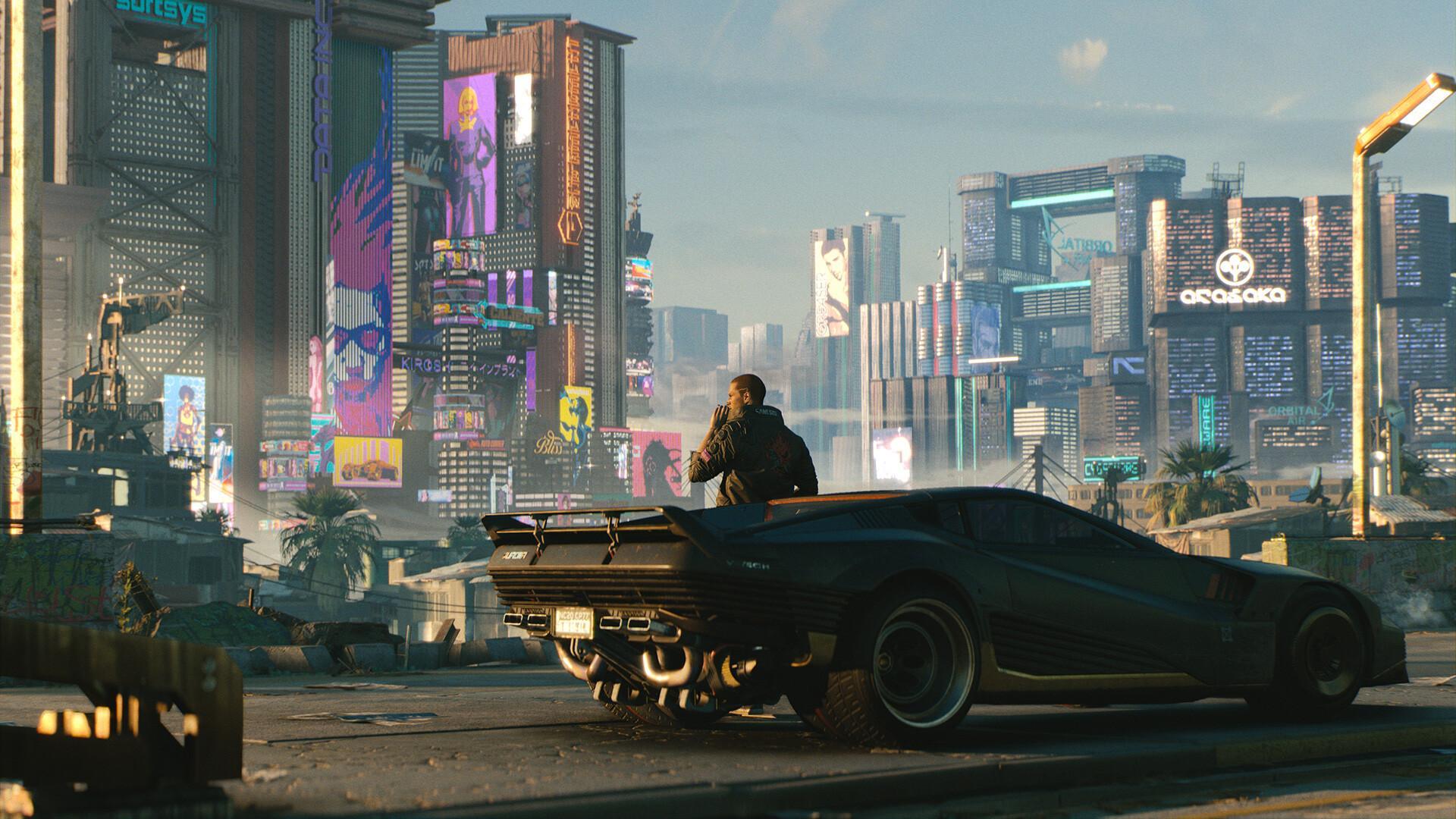
I see how effectively this works on the example of fan resources for games like Baldur’s Gate 3 or Cyberpunk 2077, where detailed guides, breakdowns of hidden mechanics, and fan theories are updated by the community sometimes faster than official patch notes from developers are released. In such places, information undergoes double or even triple verification: first by the editorial team, and then by thousands of engaged players who know the subject of discussion down to the smallest detail. Such collective expertise turns an ordinary website into a reliable knowledge base that is trusted more than official press releases.
In today’s reality, where misinformation has become commonplace, the presence of such a social filter is invaluable. A reader of niche media understands that they are among like-minded people who will not allow the spread of false information in their field. This generates a high level of trust that cannot be bought with a massive advertising campaign. The community becomes not just a consumer of content, but its full co-author and guardian of authenticity, which makes niche media the foundation of a new information era.
Expertise vs. Algorithms
Social media algorithms often push clickbait, targeting the most superficial interests. Their goal is to hold attention at any cost, which leads to a dominance of empty headlines. Niche media operate differently: they don’t try to catch a random passerby but systematically develop relationships with a loyal audience. Here, an expert’s reputation is valued much higher than fleeting views from non-target visitors.
My experience shows that subscribing to a couple of specialized resources replaces hours of aimless scrolling. Instead of filtering through information noise, I receive a selection of important events seen through a professional lens. For instance, an analysis of the economy in EVE Online or a balance breakdown in Counter-Strike 2 by specialized analysts provides far more industry insight than a dozen general articles about the “popularity of video games.”
Such a conscious approach allows one to stay informed about significant trends without overloading the brain with useless clutter. When you stop depending on the whims of algorithms, the quality of information consumption noticeably improves. Niche media return control over our own attention, offering deep expertise instead of fleeting emotions. This is a transition from passive consumption to an active search for knowledge that truly matters for one’s hobbies or professional life.
Conclusion
Ultimately, the shift toward niche consumption is a conscious choice in favor of intellectual hygiene. We no longer want to know “a little bit about everything” – it is important for us to understand the essence of things in the areas that truly matter to us. This media format makes our information diet healthier and more balanced.