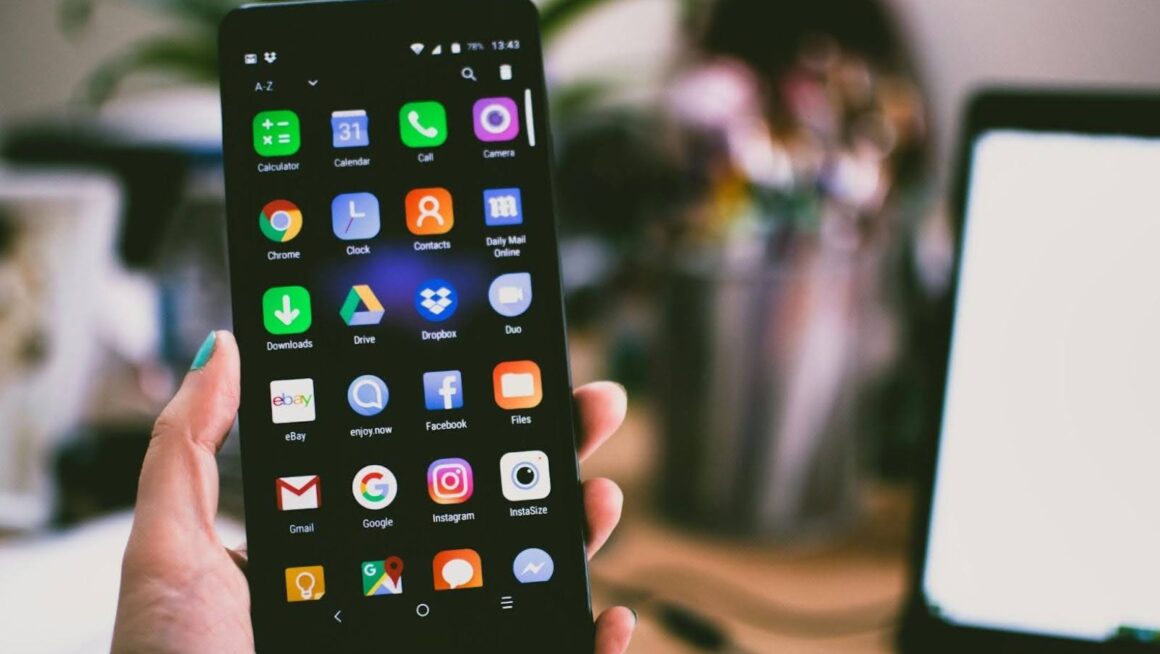
This guide shows how to move files from b4a download on phonedeck to a development setup. The guide covers required permissions, safety checks, and step‑by‑step export and install actions. The reader will learn practical steps to export an APK or project and install it for testing. The guide uses clear steps and simple language for quick use.
Key Takeaways
- PhoneDeck connects Android devices to a desktop for transferring files from b4a download to facilitate app testing and backup.
- To use PhoneDeck with B4A, enable USB debugging, grant file permissions, and ensure device drivers and software are up to date for safe and smooth transfers.
- Export APKs or projects from b4a download on PhoneDeck by following step-by-step instructions to easily move files to a PC for development or testing.
- Troubleshoot transfer or installation issues by checking cables, updating software, uninstalling conflicting app versions, and verifying SDK and library compatibility in B4A.
- For efficient development, use incremental B4A builds, sync exported files to cloud folders for team access, and secure your release keys while managing file permissions carefully.
What Is PhoneDeck And B4A — Why You Might Transfer Files Between Them
PhoneDeck links Android devices to a desktop over USB or network. B4A (Basic4Android) compiles Android apps. A developer may move artifacts from b4a download on phonedeck to a PC for testing or backup. PhoneDeck helps control the device and pull APKs or project files. B4A handles build, debug, and packaging on the desktop. The user moves files when they want a local copy, to run an emulator, or to use additional tools for signing and profiling. The statement stays practical: PhoneDeck moves files, B4A builds apps.
Requirements, Permissions, And Safety Considerations Before You Start
The user needs a working PhoneDeck app on the device and the PhoneDeck desktop client. The user needs B4A installed on the PC and Java as required by B4A. The user enables USB debugging on the device. The user grants storage and file access to PhoneDeck. The developer verifies any APK source before importing. The user keeps backups of projects. The user disables unknown sources only while testing and reverts settings after. The user uses antivirus on the PC and mobile where possible. The user confirms device drivers are current to avoid transfer errors.
Step‑By‑Step: Exporting An APK Or Project From PhoneDeck
This section provides exact steps to get files from b4a download on phonedeck and move them to the PC. The steps assume the device is connected and PhoneDeck is active.
Common Problems And How To Troubleshoot Transfer Or Installation Failures
A common issue shows a broken transfer. The user retries the export from b4a download on phonedeck and checks the USB cable. The user updates PhoneDeck and the desktop client if the connection drops. A common install error says signatures conflict. The user uninstalls older app versions before installing a debug APK. The user inspects logcat via B4A or ADB to find runtime failures. If B4A cannot open the imported project, the user checks for missing libraries or mismatched SDK targets. The user matches the Android SDK level in B4A to the app manifest. The user tests on a different device or emulator to rule out device-specific faults.
Tips For Faster Development, Testing Alternatives, And Secure File Handling
The developer uses incremental builds in B4A to save time. The developer keeps a synced folder for exported files so they can access them quickly. The user often transfers from b4a download on phonedeck to a cloud folder if they need team access. The developer uses an emulator on the desktop for quick tests and uses an actual device for performance checks. The user signs release builds with a secure key and stores the key in a safe place. The user labels exported files with version and date. The user uses ADB for scripted installs to avoid manual errors. The user removes temporary file permissions after testing to reduce risk.