get b4a download phonedeck is the starting query a developer types when they want to connect an Android device to Basic4Android and mirror or debug the device. This guide lists clear steps. It tells what each tool does. It lists requirements. It shows how to download, install, and connect. It keeps instructions short and direct so the reader can follow them fast.
Key Takeaways
- To get B4A download PhoneDeck correctly, always use official sites to install B4A IDE and PhoneDeck apps for PC and Android.
- PhoneDeck enhances the B4A development experience by enabling wireless ADB connections and phone screen mirroring, speeding up debug cycles.
- Ensure your PC runs Windows 10 or 11 with required resources and your Android device uses Android 8.0 or higher with USB debugging enabled.
- Set up ADB over network by connecting via USB once, running adb tcpip 5555, and then connecting through Wi-Fi to enable cable-free development.
- PhoneDeck’s desktop client and app allow full control for remote debugging, screen recording, log capturing, and direct APK installation from B4A.
- Maintaining matching version numbers of PhoneDeck apps on PC and phone ensures smooth connection and functional mirroring features.
What B4A And PhoneDeck Do And Why You Might Use Them
B4A is an IDE for building Android apps with a BASIC-like language. PhoneDeck is a mirroring and ADB helper app. A developer uses B4A to write and compile apps. They use PhoneDeck to show the phone screen on a PC and to forward ADB commands without a USB cable. Developers who want fast UI testing use both tools. Testers who need screenshots, input control, or remote debugging use them too. The combination speeds up debug cycles. It removes the need to plug and unplug a device constantly.
System And Device Requirements Before You Start
The PC needs Windows 10 or 11 with 4 GB RAM minimum and 2 GB free disk space. The PC should have a stable internet connection for downloads and updates. The Android device needs Android 8.0 or higher for most PhoneDeck features. The device must allow developer options and USB debugging. B4A needs Java JDK 11 or later installed and set in PATH. PhoneDeck requires the desktop client and the phone app. The user must have admin rights to install drivers and ADB components on the PC.
How To Download And Install B4A (Basic4Android) Safely
To get b4a download phonedeck users should first get B4A from its official site. They should avoid third-party download sites. They should verify the HTTPS certificate on the site. They should download the B4A installer and any required libraries. They should install the Java JDK first. Then they run the B4A installer as admin. They should follow setup prompts and confirm the IDE launches. They should apply any official patches or updates from the B4A site. If a license is required, they should enter it during setup. They should back up projects before upgrades.
How To Download And Install PhoneDeck On Your PC And Android Device
To get b4a download phonedeck users must install both PhoneDeck components. They should install the PhoneDeck desktop client from the official PhoneDeck page. They should run the installer as admin and allow firewall permissions when prompted. They should open the Play Store on the Android device and install PhoneDeck. If the Play Store version is not current, they can install the APK from the official site, after enabling install from unknown sources. They should grant accessibility and overlay permissions on the phone when PhoneDeck asks. They should confirm the desktop client and phone app show matching version numbers.
Connect Your Android Device To B4A Using PhoneDeck
To connect the device a user should open the PhoneDeck app on the phone and the desktop client on the PC. They should check that the phone and PC share the same local network when using Wi‑Fi. They should enable USB debugging in developer options. They should allow the PC RSA fingerprint when the phone prompts. They should confirm ADB lists the device in the desktop client. Once ADB shows the device, B4A will detect it as a target for building and debugging.
Set Up ADB Over Network (If Needed)
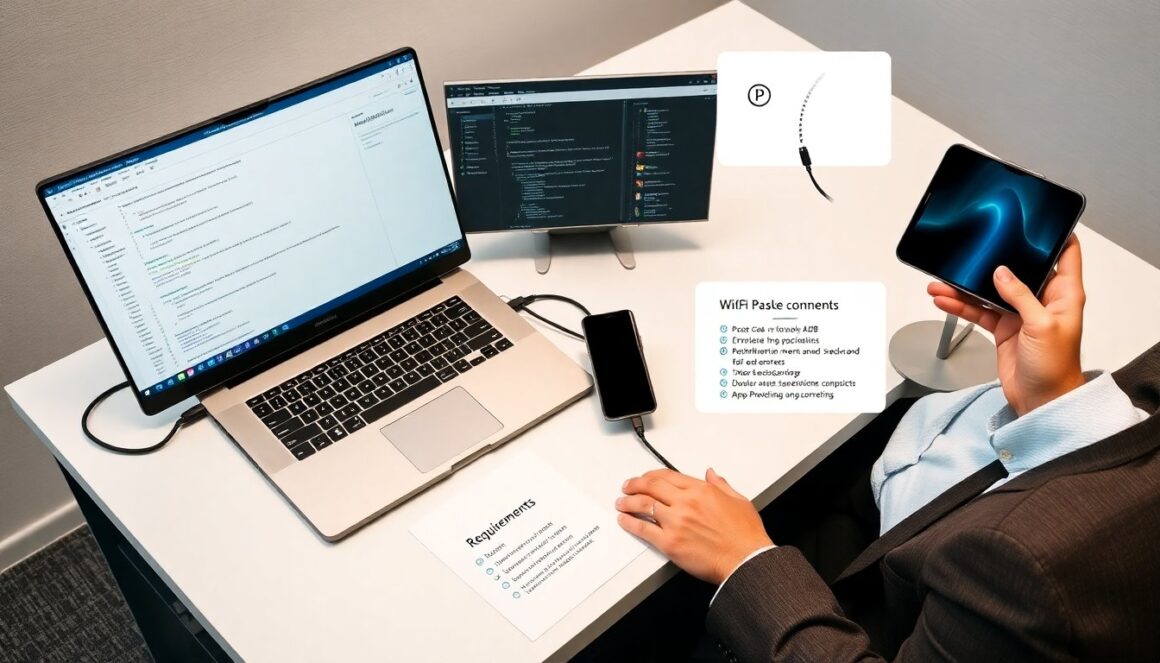
If USB is not available a user can use ADB over the network. They should connect the phone and PC to the same Wi‑Fi network. They should connect once via USB and run the command adb tcpip 5555 on the PC. They should note the phone IP address in Settings > About > Status. They should run adb connect PHONE_IP:5555 from the PC. They should confirm the device appears in adb devices. They should unplug the USB cable. They should use the PhoneDeck client to manage the connection and to restart ADB if it drops.
Using The PhoneDeck App And Desktop Client To Mirror And Debug
PhoneDeck mirrors the phone screen on the PC and forwards input events. The user can click, type, and drag on the PC and the phone will act accordingly. They can record the screen from the desktop client. They can capture logs and screenshots for bug reports. They can run B4A build and install the APK directly to the device through PhoneDeck ADB. They can attach the B4A debugger to a running app for live inspection. They can stop and restart the app from the desktop client. They can use file transfer features to push assets and install test builds quickly.