In a world where carrying cash feels like lugging around a dinosaur, mobile payment technology swoops in like a superhero, ready to save the day. Gone are the days of fumbling for change or awkwardly counting bills in a crowded line. With just a tap or a swipe, people can now pay for their morning coffee or that trendy new gadget faster than you can say “Where’s my wallet?”
mobile payment technology
Mobile payment technology revolutionizes how consumers complete transactions. Users can conduct payments through smartphones and smartwatches, creating convenience in daily financial exchanges. NFC, QR codes, and mobile wallets serve as primary methods that facilitate these transactions.
Near Field Communication (NFC) enables users to tap their devices on payment terminals, making the process instantaneous. QR codes allow customers to scan a code for payment, which ensures efficiency for remote transactions. Mobile wallets, such as Apple Pay and Google Wallet, provide a platform for storing payment information securely, allowing for quick access during purchases.
Statistics indicate that mobile payment adoption continues to rise, with over 50% of consumers in the U.S. using mobile payment options as of 2023. Some mobile wallets now integrate cryptocurrency options, letting users check conversion rates through tools like an xrp calculator before deciding whether to pay with digital assets or traditional currency based on real-time exchange values and merchant acceptance. This growth stems from user desire for speed and security in financial transactions. Consumers benefit from features like transaction tracking, which aids budgeting and spending efficiency.
Security remains a top priority in mobile payment technology. Encryption and biometric authentication methods, such as fingerprint or facial recognition, protect sensitive information, building user trust. Moreover, many payment platforms comply with industry standards to ensure a secure transaction environment.
Economically, businesses increasingly accept mobile payments, attracted by lower transaction fees compared to credit cards. This shift allows small businesses to compete with larger retailers while enhancing customer experiences.
Overall, mobile payment technology offers a seamless, secure method for financial transactions. Keeping pace with innovations ensures users and businesses reap the benefits of efficiency and convenience in an ever-evolving digital economy.
Types of Mobile Payment Systems
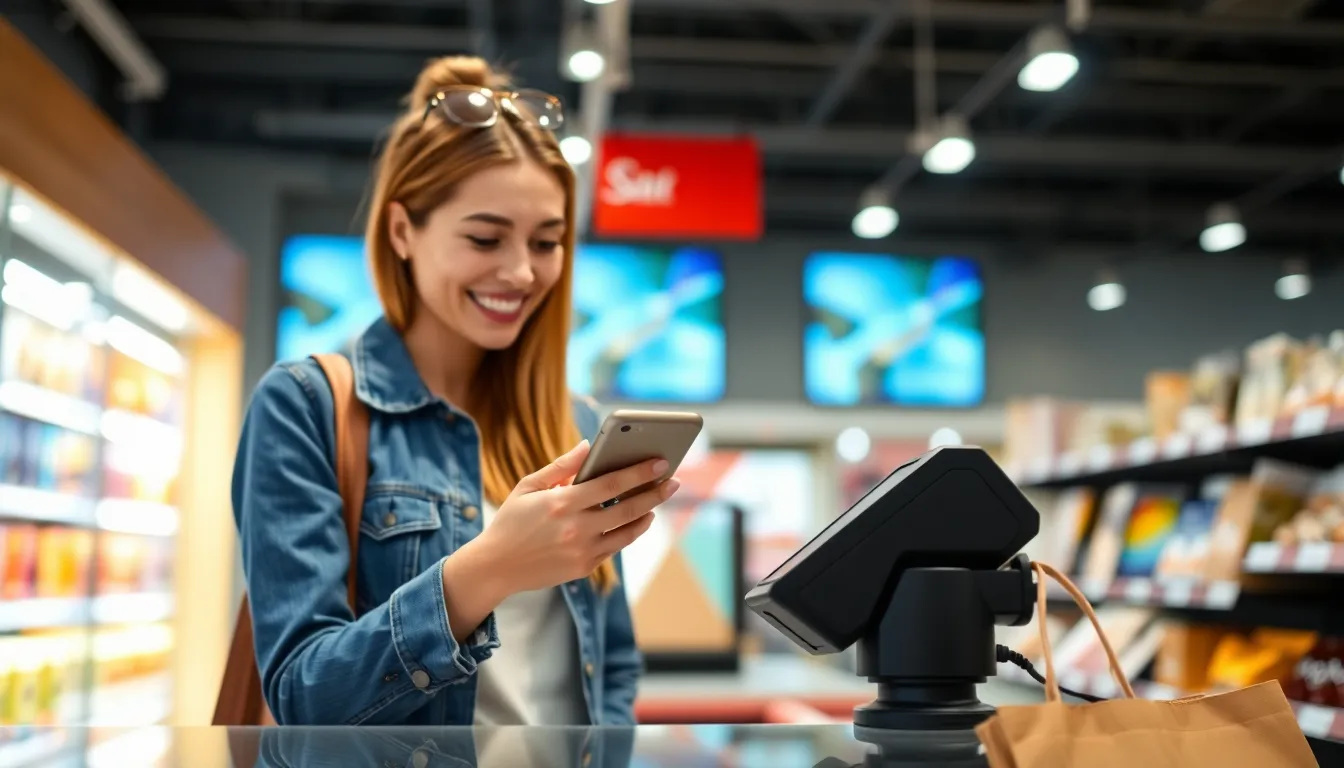
Mobile payment systems offer various methods for completing transactions with ease. Understanding each type helps users choose the best option for their needs.
Contactless Payments
Contactless payments utilize Near Field Communication (NFC) technology, enabling users to complete transactions with a simple tap of their devices. Many retailers now support these payments, making them convenient for on-the-go shoppers. Transactions usually occur within seconds, enhancing the speed of checkout experiences. Security remains a priority; encrypted data protects sensitive user information. In fact, more than 50% of U.S. consumers prefer contactless payments for their efficiency and safety. This method aligns perfectly with the fast-paced demands of modern life.
Mobile Wallets
Mobile wallets serve as digital repositories for payment information, streamlining transactions through smartphones and smartwatches. Users can store various cards and payment details securely within these applications. Popular platforms, like Apple Pay and Google Wallet, emphasize user-friendly interfaces for quick access. Security features, including biometric authentication, add layers of protection against fraud. Adoption of mobile wallets is on the rise, driven by consumer preferences for convenience and speed. Businesses increasingly accept these wallets, benefiting from reduced transaction costs while enhancing customer satisfaction.
Benefits of Mobile Payment Technology
Mobile payment technology provides numerous advantages to both consumers and businesses. Users experience a range of benefits that enhance their shopping and payment experiences.
Convenience for Users
Convenience stands out as a primary benefit of mobile payment technology. Transactions can occur within seconds, often requiring just a tap or scan. Many users appreciate not needing to carry cash or cards, simplifying their wallets. Accessibility of payment information through mobile wallets allows for quicker checkouts. Moreover, features like invoice tracking and transaction history streamline budgeting and expense management. Busy environments, such as cafes or retail stores, see users opting for mobile payments to reduce wait times.
Enhanced Security Features
Enhanced security features significantly bolster user confidence in mobile payment technology. Advanced encryption safeguards sensitive data during transactions. Many systems incorporate biometric authentication, such as fingerprint or facial recognition, to add layers of protection. Users feel secure knowing their financial information is stored safely on their devices. Additionally, tokenization replaces sensitive data with unique identifiers, mitigating risks of fraud. Companies prioritize compliance with security standards to protect user data, further instilling trust within the consumer base. As users embrace these technologies, they rely on the robust security measures to protect their financial activities online.
Challenges Facing Mobile Payment Technology
Mobile payment technology encounters several challenges that can hinder its widespread adoption. Addressing these challenges is crucial for the technology’s future.
Technical Limitations
Technical limitations present significant barriers. Not all payment terminals support Near Field Communication (NFC), restricting user access in certain locations. Issues also arise with internet connectivity, which can disrupt transactions. Many devices may lack capability for advanced security features, leaving users vulnerable. Compatibility across various platforms often becomes problematic, creating confusion among consumers. Updating software regularly proves essential to prevent security breaches, yet many users don’t do this. Frequent updates require ongoing investments from businesses, which sometimes lack resources for technology enhancements.
Consumer Trust Issues
Consumer trust issues pose a serious challenge to mobile payment technology. Some users remain skeptical about sharing personal information online. Encryption and biometric authentication methods provide security; however, many still worry about potential data breaches. Fraud incidents can damage user confidence in the system. Customers often prefer traditional methods despite the convenience offered by mobile payments. Furthermore, slow adoption of technology among older demographics creates a distrustful environment. Addressing these concerns is vital for encouraging users to embrace mobile payments fully. Building strong communication about security measures may help alleviate some trust issues.
Future Trends in Mobile Payment Technology
Mobile payment technology continually evolves, shaping the financial landscape significantly. Contactless payments are gaining traction, transforming the way consumers interact with merchants. As user preferences shift towards speed and convenience, businesses adapt by installing NFC-enabled terminals.
QR code usage expands beyond traditional transactions, becoming prevalent in advertising and loyalty programs. These codes facilitate easy access to promotions and campaigns, engaging users effectively. With over 70% of surveyed consumers expressing interest in using QR codes for payments, brands implement innovative strategies for integration.
Artificial intelligence plays a pivotal role in enhancing security measures within mobile payments. Transaction monitoring and fraud detection algorithms evolve, providing real-time alerts to users and businesses. Developers focus on improving biometric authentication, with facial recognition and fingerprint scanning becoming standard practices.
Integration of cryptocurrencies into mobile wallets presents new opportunities. Digital currencies offer additional options for consumers, appealing to younger demographics. Over 30% of millennials show interest in mobile payment solutions that support cryptocurrencies, pushing businesses to explore these offerings.
Additionally, voice commerce is emerging as a significant trend. Customers increasingly prefer to complete transactions through voice-activated devices. With advances in natural language processing, users initiate payments seamlessly through smart assistants.
The Internet of Things (IoT) increasingly connects devices, enabling automated payments. Smart appliances and wearables process transactions without direct user intervention. Such connectivity presents convenience but requires robust security protocols to protect consumer data.
Finally, partnerships between technology firms and traditional banking institutions will redefine payment landscapes. Fintech collaborations drive innovation, expanding service offerings. These alliances address consumer needs while maintaining trust in financial systems.
Conclusion
Mobile payment technology is transforming the way consumers and businesses approach transactions. Its convenience and security features cater to the fast-paced demands of today’s digital economy. As adoption continues to rise, addressing challenges like consumer trust and technical limitations will be essential for widespread acceptance.
The future looks promising with innovations like AI-driven security and the integration of cryptocurrencies. As more businesses embrace mobile payments, the landscape will evolve, offering even greater efficiency and user satisfaction. Staying informed about these developments will help both consumers and businesses navigate this dynamic financial ecosystem effectively.