Sometimes, you need a mobile app. Sometimes, you need it fast. And sometimes, you need it done right – without burning budget, time, and nerves.
A mobile software development service is exactly for that. It builds your product instead of you. And in case you have been seeking a business partner who is able to partner with your idea and develop a working application, that is also scalable, then you are on the right path.
When selecting the appropriate mobile software development service, having a single objective is a sufficient goal: create an application that remains fast, safe, and easy to develop. Mobile applications have become the core of sales, support, operations, as well as brand loyalty. That is why the “who” matters as much as the “what.” The right partner assists you in making transparent decisions at the beginning, not taking secret risks, and being able to ship with confidence.
Let’s dissect it in an understandable, practical manner.
Mobile software development service overview
Imagine your business receives a request: “We need an app.”
Not “some screens.” Not “a prototype.” A real app that users will download, open daily, and judge in the first 10 seconds.
But your core work is different. Maybe you do marketing. Maybe you run operations. Maybe you sell services. Maybe you’re building a SaaS and you have product vision – but you don’t have a full mobile engineering team in-house.
And you know how it goes:
- hiring is slow, expensive, and uncertain;
- freelancers can disappear mid-sprint;
- cheap agencies often deliver “a version,” not a product.
Still, you don’t want to lose reputation, customers, and revenue. You need a solution. That’s where a mobile software development service becomes a strategic move. Look at https://www.trinetix.com/ – you delegate the construction – but keep control of goals, roadmap, and outcome.
Why a mobile software development service matters in 2026
People spend hours each day in apps, and expectations are high. A slow screen, a confusing flow, or a crash can end the relationship in seconds.
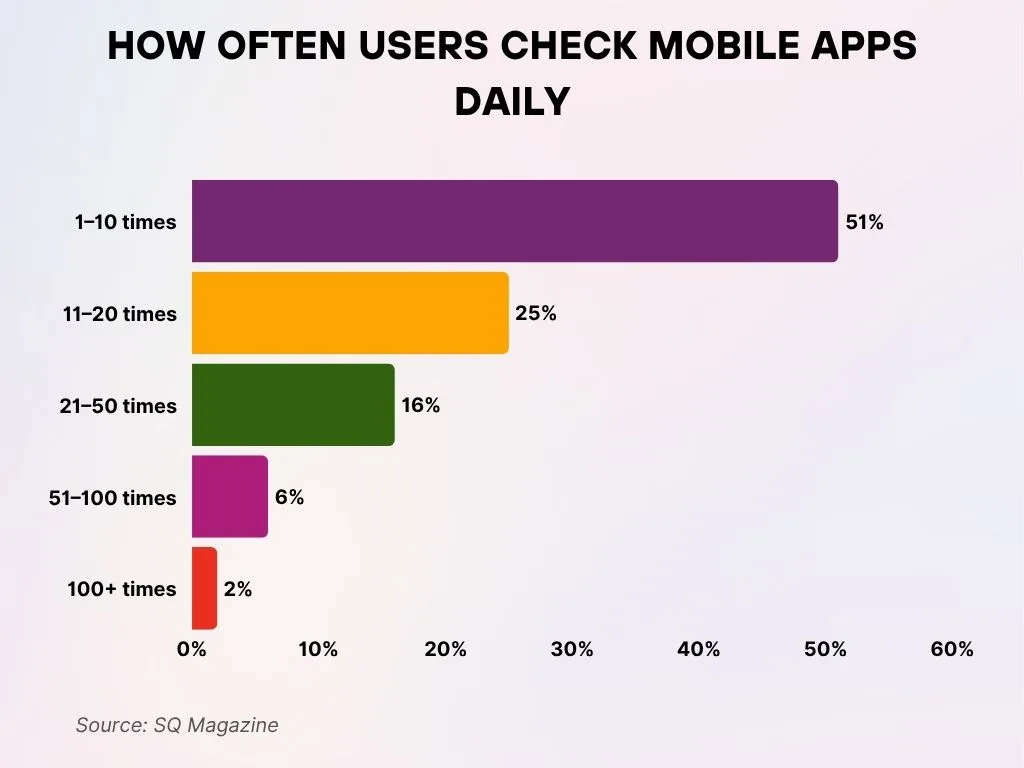
Mobile Usage Trends: Daily Time Spent in Apps + Business App Adoption
What changes in 2026 is the level of complexity behind “simple” apps. Users expect real-time updates, smart search, smooth payments, and clean design. Many companies also need enterprise mobile solutions that connect to ERP, CRM, or legacy tools.
A strong provider treats mobile as business infrastructure. This is a long game. You are building something that will be updated, measured, secured, and improved for years. Jobs To Be Done – the theory to keep in mind. Users “hire” your app to do a job – track a delivery, pay a bill, book a service. A good team designs around that job, not around features.
So your app must be:
- fast
- stable
- secure
- easy to use
- scalable (because growth happens suddenly).
Types of Mobile Software Development Services
Make technology help you achieve your business objectives:
- Native Development: Developed specifically for iOS (Swift) or Android (Kotlin) Performs best and has platform-specific features but necessitates different codebases.
- Cross-Platform Solutions: Frameworks such as Flutter or React Native allow a single-codebase solution across platforms. Perfect in the case of MVPs and cost-effective projects.
- Enterprise Mobility: Custom solutions that are built to interoperate with the existing systems that concentrate on security, compliance and productivity of the workforce.
- Hybrid Apps: Web technologies are contained in native containers. Faster to develop, may compromise in performance when it comes to complex interactions
| Type | Best For | Consideration |
| Native | Performance-critical apps | Higher development cost |
| Cross-Platform | Startups, MVPs | Potential platform limitations |
| Enterprise | Large organizations | Complex integration needs |
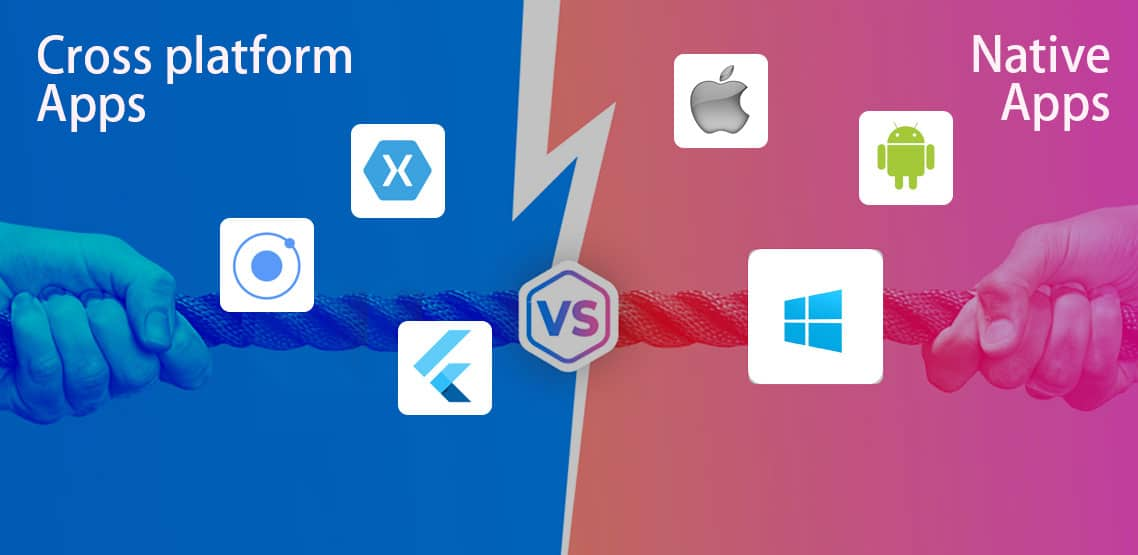
If your product relies on heavy animations, BLE, offline logic, camera, sensors – native often wins.
If you need speed, broad reach, and budget control – cross-platform may be ideal.
2) Backend integration: the part that breaks projects
Many teams talk about UI. Few talk enough about backend. But apps are not only screens. Apps are:
- APIs;
- databases;
- roles & permissions;
- sync logic;
- security layers;
- performance under load.
If this part is weak, scaling becomes painful. A good mobile software development service plans architecture early. Not after the first crash.
3) UX/UI that actually increases revenue
A small improvement in onboarding can lift activation. A clearer status screen can reduce support tickets. A better checkout flow can raise conversion.
A useful reference here is Nielsen’s usability heuristics – simple rules like “match the system to the real world” and “keep users in control.” They sound basic, but they prevent costly mistakes.
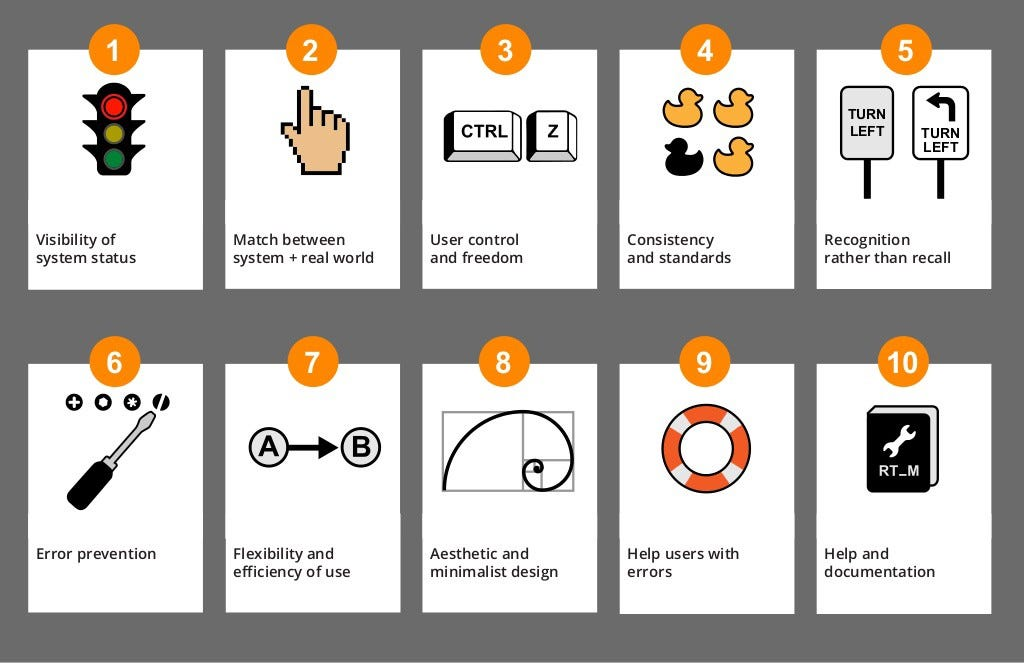
Good UX pays for itself.
What you can expect from a strong mobile software development service
You’ll meet many providers. Many promises. Many “we do everything” statements. So let’s focus on what actually matters. Answer in one line: Pick a mobile software development service that matches your product stage, technical needs, and delivery rhythm, then validate the fit with a short pilot and measurable KPIs.
Native vs cross-platform: what fits your case?
Here’s the simple truth: there is no universal best choice. There is only your best choice.
| Feature | Native Development (iOS/Android) | Cross-Platform (Flutter/React Native) |
| Performance | ✅ High (Peak speed & responsiveness) | ⚠️ Good (Near-native for most apps) |
| Cost | ⚠️ Higher (Two separate codebases) | ✅ Lower (Single codebase) |
| Time to Market | ⚠️ Slower (Parallel development needed) | ✅ Faster (Write once, deploy twice) |
| Maintenance | ⚠️ Complex (Update two systems) | ✅ Simpler (Update one codebase) |
| User Experience | ✅ Perfect (Follows OS guidelines strictly) | ⚠️ Great (Minor UI inconsistencies possible) |
| API Access | ✅ Full (Immediate access to new features) | ⚠️ Delayed (Wait for framework support) |
How to choose the right mobile software development service
Mobile is infrastructure now, not a side project. And this is why choosing the right partner matters. You don’t need 50 questions. You need the right 8.
Quick checklist
- Do they have real case studies in your niche?
- Can they handle Android and iOS app development well?
- Do they explain architecture clearly (not in vague words)?
- Do they propose discovery before building?
- Do they have QA as a process, not an afterthought?
- Do they speak about security and compliance?
- Do they provide documentation?
- Do you understand who exactly will work on your project?
Here’s a simple scorecard you can use.
| Criterion | Weight | Score example |
| Engineering depth | 30% | 8/10 |
| Communication | 20% | 9/10 |
| Scalability thinking | 25% | 7/10 |
When you must upgrade your mobile development services
If you already have a team/provider, you may still need change.
Signs you should not ignore:
- releases are delayed again and again;
- performance drops as users grow;
- security issues appear repeatedly;
- the codebase becomes “untouchable”;
- nobody can clearly explain architecture.
These are not tiny bugs. These are system signals.
Brief
A mobile software development service is the fastest way to build a serious mobile product — if you choose correctly.
Focus on:
- architecture;
- UX that drives action;
- integration capability;
- process transparency;
- long-term support.
Because mobile isn’t a “one-time build.”
It’s a living system.