In Denmark, paying is mostly digital and very routine. People tap a card, use a phone, and move on. They do not think about the system behind it. For a business, this sets a clear standard. Payments need to feel normal, not new or experimental. The focus is not on offering everything, but on using the same tools people already trust and keeping the process steady and clear.
Key Payment Methods to Offer
To work well in Denmark, a business needs to follow local payment habits. People here do not switch between many payment systems in Denmark. They rely on a few familiar options and expect them to work every time.
These Denmark payment methods cover daily purchases, online shopping, and quick transfers between people. When a checkout reflects this reality, it feels natural. Customers do not stop to think about the payment. They simply complete it:
- MobilePay or Vipps MobilePay. MobilePay is an online Denmark payment system familiar to most people there. After merging with Vipps, it continued as Vipps MobilePay across the Nordic region. People use it online, in shops, and for subscriptions. Many choose it because it is quick and avoids using a card.
- Dankort. Dankort is Denmark’s national debit card and remains deeply rooted in daily spending. Around eighty percent of the population has one. It is accepted almost everywhere and trusted for both small and regular purchases. Even when the card carries a Visa logo, many payments still go through Dankort.
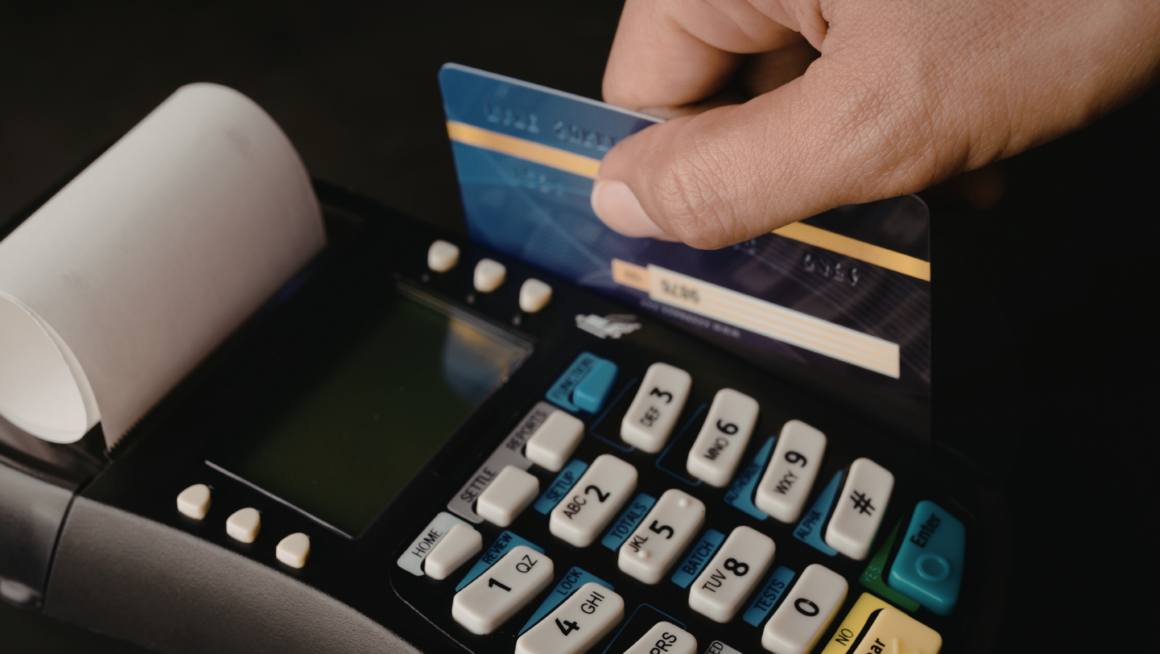
- Major Credit and Debit Cards.Visa and Mastercard work across the country without issues. Contactless use is common, especially in cities and public places. Most customers expect to tap their card or phone and finish the payment in seconds.
- Digital Wallets. Apple Pay and Google Pay are widely used, especially by younger customers and frequent online shoppers. These wallets connect to existing cards but make payments quicker and more convenient.
- Cash and Offline Cards. Cash is rarely used, but it still plays a role. During system issues or network problems, a simple offline option can keep sales moving instead of stopping completely.
When these payment systems in Denmark are available, customers feel at ease. The business matches how people already pay, which builds trust without saying a word.
Integration and Security Steps
Payment integration in Denmark is not complex, but it does require discipline. Systems must be clean, secure, and predictable. Danish users trust digital payments because problems are rare. That trust did not appear by accident. It comes from years of stable systems and clear rules. New businesses are expected to meet the same level from day one. If payments feel uncertain or slow, confidence drops quickly.
Choose a Payment Gateway
Start with a payment gateway that already works well in Denmark. Providers such as Stripe, Mollie, and Fondy are common choices because they support local cards, mobile payments, and digital wallets without extra work. They fit both small online shops and larger platforms. When choosing a gateway, businesses usually look at a few practical points:
- Support for MobilePay, Dankort, and major cards
- Clear settlement times and reporting
- Easy setup for Shopify, WooCommerce, or custom sites
- Local support or clear documentation
- Transparent fees without hidden conditions
Using a gateway that understands the Danish market reduces testing time and avoids issues during launch.
Implement MitID
MitID is Denmark’s national digital identity system. It replaces older login Denmark payment methods and is used across banking, government services, and many private platforms. For online payments that require strong customer checks, MitID adds a layer of trust. Integration helps confirm identity and reduces fraud, especially for higher-value transactions.
Ensure Security Compliance
Security is not optional. Payment data must follow GDPR rules for personal data protection. Card handling must meet PCI DSS standards. This is not just a legal step. It is part of daily operations.
Strong compliance usually includes:
- Limited access to payment data inside the company
- Clear separation between payment systems and other tools
- Regular updates and security checks
- Defined procedures if something goes wrong
Danish regulators expect these controls to be in place. Customers assume they already are.
Offer Multiple Options
No single Denmark payment method fits every user. Some prefer MobilePay. Others rely on cards or digital wallets. Offering several options allows customers to choose what feels right at that moment. This flexibility improves checkout completion and reduces abandoned payments.
Plan for Resilience
Even good payment systems in Denmark stop working sometimes. This happens everywhere, including Denmark. The internet goes down. A provider has an issue. Power cuts are rare, but not impossible. When this happens, the worst outcome is standing still with no way to take a payment.
Resilience is about having a basic backup, not a complex plan. Offline card payments can cover short breaks. Keeping the option to accept cash, even if it is used once a month, can save a day of sales. Some businesses also keep a second digital method ready, just in case the main one fails.
Staff need simple rules. What to say to the customer. What payment can still be accepted? What cannot. Clear answers matter more than perfect systems in these moments. Most outages are short. When systems come back, everything should return to normal without extra fixes or confusion. Thinking about failure in advance is part of running a serious business. It shows control, not doubt.
Technical and Legal Considerations
Beyond payment tools and gateways, there are practical rules that shape daily operations. These details often decide whether integration feels smooth or frustrating over time.
GDPR and Data Handling
Payment data always includes personal information. Names, card details, transaction history, and identifiers must be handled with care. GDPR requires clear purpose, minimal storage, and strong protection. Customers have the right to know how their data is used and to request changes or removal when allowed.
Currency Handling
The Danish Krone is the standard currency. Most systems expect prices in DKK. In tourist areas, some businesses accept Euros, but this is the exception. For online payments, pricing and settlement should default to DKK to avoid confusion and conversion issues.
Platform Integration
E-commerce platforms often provide ready plugins that simplify setup. These plugins handle updates, security fixes, and basic compliance. Mobile apps usually rely on SDKs for iOS and Android. Using supported tools reduces errors and shortens testing time.
Local Digital Standards
Danes are comfortable with digital payments. Slow pages, unclear steps, or extra confirmation screens stand out immediately. Payment flows should feel direct and familiar. The goal is not to explain every step, but to let the system work quietly in the background.
Integrating with the payment system in Denmark is about respect for local habits and expectations. The tools are stable. The rules are clear. Businesses that focus on reliability, security, and familiar payment methods earn trust quickly. When payments work without drawing attention, customers focus on the product or service instead. That quiet efficiency is what defines successful integration in Denmark.