Over the past decade, smartphones have evolved from communication tools into powerful computing platforms capable of supporting sophisticated financial applications. Mobile banking, investment platforms, and real-time payment systems have become everyday tools for millions of users worldwide.
Today, the same devices used for messaging, productivity, and entertainment are also enabling access to global financial markets. Investors can monitor price movements, execute trades, and manage portfolios from virtually anywhere.
This shift toward mobile-first finance is reshaping how trading platforms operate and how individuals interact with digital markets.
The Rise of Mobile Trading Platforms
Historically, financial trading required specialized software running on desktop computers connected to professional trading terminals. Traders relied on high-powered workstations and complex analytics platforms to access markets and execute orders.
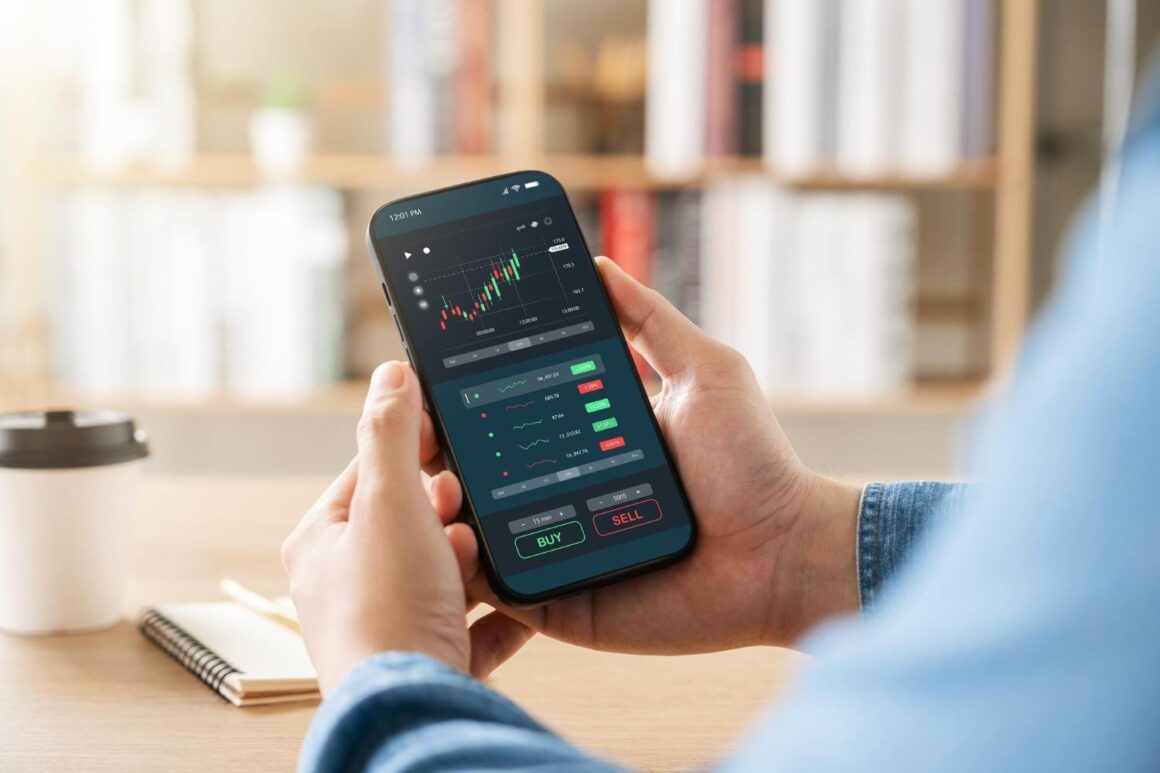
Modern fintech platforms have dramatically simplified this environment. Mobile applications now provide access to sophisticated trading interfaces, real-time charts, and advanced order management tools.
These apps allow users to monitor multiple asset classes simultaneously, from equities and commodities to digital assets such as cryptocurrencies.
Mobile technology has therefore played a significant role in democratizing access to financial markets.
Real-Time Data and Digital Market Access
One of the key factors enabling mobile trading is the availability of real-time financial data. Trading platforms rely on continuous streams of market information, including asset prices, trading volumes, and order book activity.
Smartphones are now powerful enough to process this information quickly and display it through intuitive interfaces. Traders can analyze charts, track indicators, and execute trades with minimal latency.
For cryptocurrency markets, which operate 24 hours a day, this level of accessibility is particularly important.
Unlike traditional financial markets that close overnight or on weekends, cryptocurrency exchanges function continuously. Mobile access allows traders to monitor market conditions and respond quickly to sudden price movements.
The Growth of Crypto Derivatives Trading
As cryptocurrency markets have matured, trading activity has expanded beyond simple spot transactions. Digital asset derivatives, such as futures contracts, have become increasingly popular among traders seeking advanced strategies.
Futures contracts allow participants to speculate on the future price of an asset or hedge existing positions. In cryptocurrency markets, these instruments are often used to manage volatility or to gain exposure to price movements without holding the underlying asset directly.
Trading platforms now integrate futures markets alongside spot trading environments, providing users with access to a wider range of financial tools.
Experienced traders exploring derivatives markets may consider using Kraken for crypto futures trading, where the platform’s trading engine, leverage tools, and risk management features allow participants to engage with cryptocurrency futures markets through a structured exchange interface.
These platforms combine traditional derivatives trading concepts with blockchain-based digital assets, illustrating how fintech systems are evolving to support new financial instruments.
Mobile Interfaces for Complex Trading Tools
Designing mobile interfaces for advanced trading tools presents unique technical challenges. Futures markets involve concepts such as leverage, margin requirements, liquidation thresholds, and contract expiration dates.
To support these functions, trading apps must balance powerful features with clear and accessible user interfaces.
Modern fintech applications address this challenge through data visualization, responsive design, and real-time notifications. Users can monitor margin levels, track open positions, and adjust trading strategies directly from their mobile devices.
Cloud infrastructure and low-latency networks also play a crucial role in enabling mobile trading platforms to operate efficiently across global markets.
Security and Reliability in Mobile Trading
With financial transactions occurring through smartphones, security remains a top priority for trading platforms.
Mobile trading applications often incorporate multi-factor authentication, encrypted communications, and biometric login options to protect user accounts. Many platforms also implement withdrawal confirmations and activity monitoring systems designed to detect unusual behavior.
In cryptocurrency markets, exchanges frequently use cold storage systems that keep a portion of digital assets offline, reducing exposure to potential cyber threats. These security measures help maintain trust in digital trading platforms that manage significant financial activity.
As mobile trading platforms and digital asset markets continue to grow, researchers and financial organizations are studying their broader impact on financial systems. International Organization of Securities Commissions (IOSCO) publishes analysis on derivatives markets, digital trading platforms, and evolving financial technologies, which highlights how fintech innovation and digital infrastructure are reshaping modern financial markets.
The Technology Behind Global Trading Infrastructure
The infrastructure supporting mobile trading extends far beyond the smartphone itself. Behind every trade executed on a mobile device lies a network of trading engines, order matching systems, and global data centers.
Trading engines process orders submitted by users, matching buy and sell requests in real time. Order books track available liquidity, while blockchain networks verify cryptocurrency transactions associated with digital asset transfers.
This interconnected infrastructure allows mobile trading apps to function as gateways to global financial markets.
The Future of Mobile Financial Technology
The continued evolution of smartphones and mobile networks suggests that mobile trading will remain a central part of the fintech landscape.
As digital markets expand and new financial instruments emerge, trading platforms are likely to integrate even more advanced tools into mobile environments. Artificial intelligence, automated trading strategies, and enhanced data analytics may further transform how traders interact with financial markets.
For technology companies and fintech innovators, the challenge lies in building systems that combine powerful trading infrastructure with user-friendly mobile experiences.
The result is a new generation of trading platforms where global financial markets can be accessed directly from the devices people carry every day.